
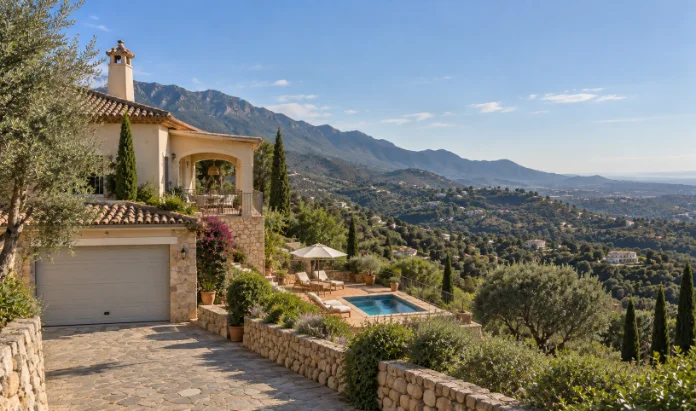
Sold
Spain
Villa
Sold for 650 000 €
The easiest country to reach, the longest track record with Czech buyers and an enormous difference between one coast and the next.
Spain is where a buyer finds their feet fastest. Flights go from everywhere, plenty of people have done it before you, and the supply is large enough that there is genuinely something to choose from. That is exactly why the choice of location matters more here than anywhere else.
The difference between the Costa Blanca and the Costa del Sol is not only price. It is what February feels like, how far the hospital is and how much is left once the tourists leave. We ask about that before we start searching, and then show you only what fits.
Alicante, Torrevieja, Dénia and Jávea. The best balance of price and access, a strong Czech and European community and an airport served all year.
Málaga, Marbella, Estepona and Sotogrande. The mildest winter on the mainland, the best infrastructure and the highest prices. People buy here for value that holds.
Mallorca and Ibiza. Limited land, very strong demand and strict rules on building and letting. What you buy here is scarcity — and the price reflects it.
Tenerife, Gran Canaria and Lanzarote. The only place in Europe with a genuinely year-round summer, and the year-round rental demand that comes with it.
A foreigner’s identification number is required to buy, to open an account and to pay tax. You apply at a police station in Spain, at a consulate or through a representative, and it takes weeks — so we start on it immediately.
A reservation deposit takes the property off the market, then the deposit contract is signed, usually with ten per cent. If you withdraw you lose the deposit; if the seller does, they return double.
A lawyer obtains the land registry extract (nota simple) and checks charges, unpaid IBI tax, debts to the owners’ association and, for new builds, the occupancy licence. In Spain debts follow the property, so this step cannot be skipped.
The deed (escritura) is signed before a notary, usually with a bank cheque handed over at the same time. The notary registers the transfer and issues copies for the registry and for you.
Transfer tax is declared and paid within thirty days of signing, then the property is registered and utilities transferred. As a non-resident you also file a tax return every year, even if you never let the property.
Treat these figures as a guide. Rates and rules change, so for every transaction we verify the current level of costs before we put the figure in front of you — always with a local lawyer and always before you sign anything binding.
Yes. Without a foreigner’s identification number you cannot sign the deed, open a bank account or pay transfer tax. You apply at a police station in Spain, at a consulate or through a representative, and it takes a matter of weeks, so we deal with it first.
Nine to twelve per cent on a resale and twelve to fifteen on a new build. The decisive item is ITP transfer tax, between six and ten per cent depending on the region; a new build carries 10 % VAT and AJD stamp duty instead.
No. The Spanish golden visa, which granted residency for a property investment, was abolished in April 2025. As a citizen of the Czech Republic and the European Union you do not need a residence permit and may live in Spain and own property freely.
Yes, even in a year when you do not let the property. Spain taxes a notional income calculated from the rateable value. The return is usually filed by a local tax adviser, and we can recommend one.
Tell us what you have in mind and we will come back with what is realistic on the ground. The first meeting is always about you, never about listings.
Let’s stay in touch